
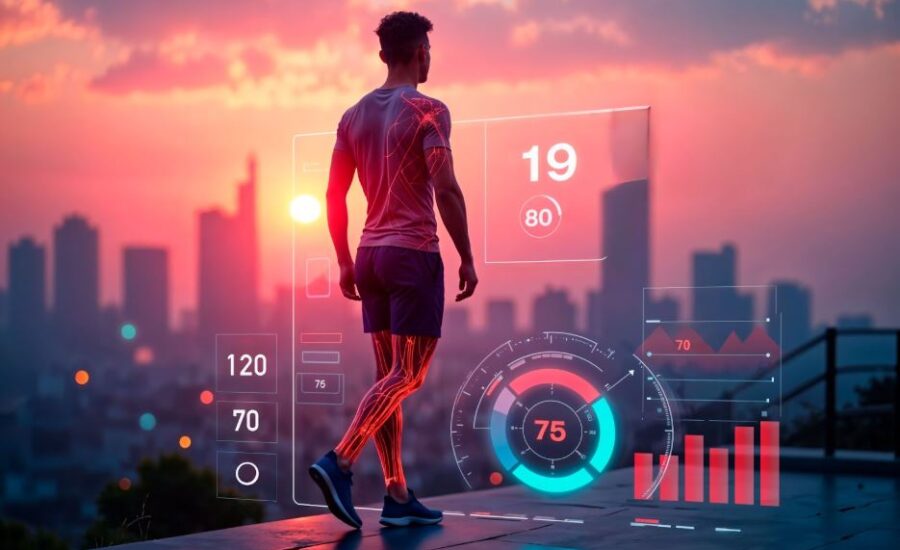
Artificial intelligence isn’t just a tech buzzword anymore—it’s a marketing game-changer. Brands are shifting from gut-based decisions to data-driven strategies, and AI is the driving force behind it. In today’s competitive landscape, consumers expect hyper-personalized experiences, instant engagement, and relevant content. AI makes that possible at scale. Companies like Under Armour understand this reality.
Under Armour leveraged fitness data and AI to create campaigns that feel personal, timely, and impactful. But what does that look like in practice? And how can other businesses replicate this success? Let’s dive into how AI is transforming digital marketing and what you can learn from Under Armour’s approach.
The Rise of AI in Digital Marketing
The digital marketing world has evolved far beyond simple ads and email campaigns. Today, algorithms decide what content we see, when we see it, and why. AI in digital marketing powers everything from ad targeting to predictive analytics. It helps brands understand behavior patterns and deliver the right message at the right moment.
Why does this matter? Because consumers are bombarded with content every day. Standing out requires precision, and AI provides that precision through data-driven insights. Companies using AI tools gain an edge by predicting customer needs instead of reacting to them.
Under Armour’s AI-Driven Personalization Strategy
Under Armour isn’t just selling athletic gear—they’re selling an experience. Through their Connected Fitness platform, which includes apps like MyFitnessPal and MapMyRun, they’ve collected millions of data points on user activity. This includes workout habits, nutrition logs, and even sleep patterns.
With AI, Under Armour transforms this raw data into meaningful insights. Instead of blasting generic ads, they deliver personalized recommendations that match an individual’s fitness goals. For instance, if you log long-distance runs, you might receive targeted ads for running shoes designed for endurance. If your data shows strength training habits, the system may suggest apparel optimized for weightlifting.
This level of personalization boosts engagement and builds brand loyalty. It turns marketing into a helpful, almost coaching-like experience rather than intrusive advertising.
AI-Driven Personalization: Why It Works
Personalization isn’t just a trend—it’s an expectation. A recent report shows that 80% of consumers are more likely to buy from brands offering personalized experiences. AI makes this possible by analyzing massive datasets and identifying patterns humans can’t.
Think about it: manually segmenting thousands of customers would take weeks. AI does it in seconds. Platforms like Adobe Experience Cloud and Salesforce Einstein allow marketers to create real-time personalized campaigns. Under Armour uses similar AI tools to segment customers by activity level, goals, and even seasonal behavior.
Actionable Tip: If you’re a marketer, start small. Use AI-powered email marketing tools like Klaviyo or HubSpot to personalize subject lines and content. This simple step can significantly increase engagement.
Predictive Analytics: Forecasting Customer Behavior
One of the biggest advantages of AI is its predictive power. Under Armour doesn’t just look at what users have done—they anticipate what they’ll do next. Using predictive analytics, the brand can determine when a runner might need new shoes or when a gym-goer is likely to upgrade gear.
This foresight allows Under Armour to launch timely offers, reducing wasted ad spend and boosting conversions. Predictive models also help optimize inventory, ensuring products are available when customers need them.
Marketers everywhere can leverage predictive analytics. Tools like Google Analytics 4, Pecan AI, and H2O.ai help forecast demand and refine campaigns based on probability, not guesswork.
Conversational Marketing with AI Chatbots
Customer experience is everything. Under Armour understands this and uses AI-powered chatbots to enhance engagement. These bots answer questions, recommend products, and even guide users through fitness plans—all in real-time.
AI chatbots are no longer limited to scripted responses. They use natural language processing (NLP) to understand context and deliver human-like interactions. Brands like Sephora and Nike also use chatbots to personalize shopping experiences, proving this isn’t just a fitness trend—it’s an industry standard.
Pro Tip: If you’re exploring chatbots, start with platforms like Drift or Intercom. They integrate easily with websites and provide AI-driven conversation flows to improve engagement and lead generation.
Ethical Considerations in AI Marketing
While AI offers endless possibilities, it also raises ethical questions. How much data should brands collect? How transparent should they be about AI-driven decisions?
Under Armour has faced scrutiny over data privacy in the past, which is why ethical AI use is critical. Businesses must prioritize transparency and secure customer consent before collecting personal data. Using anonymized data sets, complying with regulations like GDPR, and explaining how AI influences decisions are essential steps.
Marketer’s Note: Building trust is just as important as building conversions. Always communicate how customer data is used and provide opt-out options.
The Future of AI Marketing: What’s Next?
AI for businesses will only get smarter in the coming years. Expect deeper integration of machine learning with voice search optimization, visual recognition, and augmented reality experiences. Imagine scanning your body through an app and receiving apparel recommendations instantly—that’s where we’re headed.
Under Armour’s journey is a blueprint for the future of AI marketing. They’ve shown that using fitness data responsibly can deliver value without compromising trust. For marketers, the message is clear: embrace AI or risk falling behind.
How Marketers Can Leverage AI Effectively
Here are some actionable steps for businesses wanting to integrate AI into their marketing strategy:
- Start with Customer Data: Collect and organize data from your website, social media, and CRM systems.
- Invest in AI Tools: Use platforms like Adobe Sensei, Salesforce Einstein, or IBM Watson for advanced analytics.
- Test and Learn: Begin with small campaigns, measure results, and optimize continuously.
- Focus on Personalization: Use AI to tailor emails, ads, and recommendations for different audience segments.
- Stay Ethical: Be transparent about data usage and prioritize user privacy.
Final Thoughts
AI isn’t the future—it’s the present. Brands like Under Armour have proven that data-driven marketing is the key to standing out in a crowded marketplace. Whether through personalization, predictive analytics, or conversational experiences, AI gives marketers the power to connect with customers like never before.
The challenge now? Using this technology responsibly and creatively. Those who succeed will lead the next era of digital marketing. Are you ready to embrace it?

