
Buying makeup online used to feel like a gamble. You’d scroll through product pages, compare shades on different models, and hope for the best. Sometimes it worked. Often, it didn’t. Returns piled up, customers hesitated, and brands lost potential revenue in the process. Then something shifted. Beauty brands like Sephora began rethinking the digital experience, not just improving it. Instead of asking customers to imagine how a product might look, they started showing them—instantly and personally. That shift is exactly where Sephora found its advantage.
By introducing AI-powered virtual try-on tools, Sephora didn’t just modernize its website. It reshaped how customers interact with products online. More importantly, it quietly unlocked a new level of confidence in digital buying decisions. And that confidence translated into something every business cares about: higher conversions.
This is where AI for sales becomes more than a buzzword. It becomes a practical, measurable driver of growth.
The Problem Sephora Needed to Solve
Before AI entered the picture, online beauty shopping had a major limitation: uncertainty.
Customers struggled with questions like:
- Will this foundation match my skin tone?
- Is this lipstick too bold for me?
- How will this shade look under different lighting?
Static images and descriptions couldn’t answer those questions effectively. Even user reviews only went so far. The gap between browsing and buying remained wide.
For a brand like Sephora, that gap had real consequences:
- Lower conversion rates
- Higher product returns
- Reduced customer satisfaction
- Missed upsell opportunities
The traditional eCommerce model simply wasn’t built for highly visual, personal products like cosmetics.
So instead of optimizing the same old system, Sephora chose to rethink it entirely.
Enter Virtual Artist: A Smarter Shopping Experience
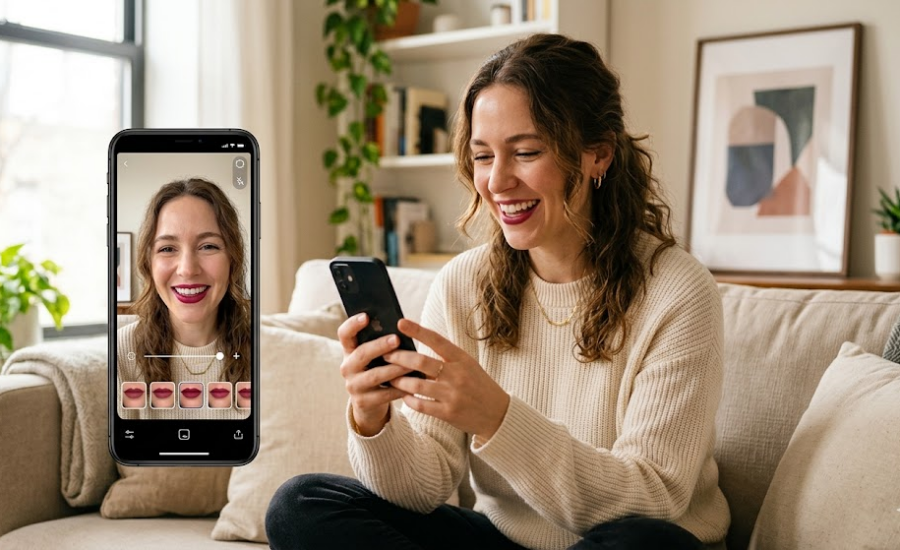
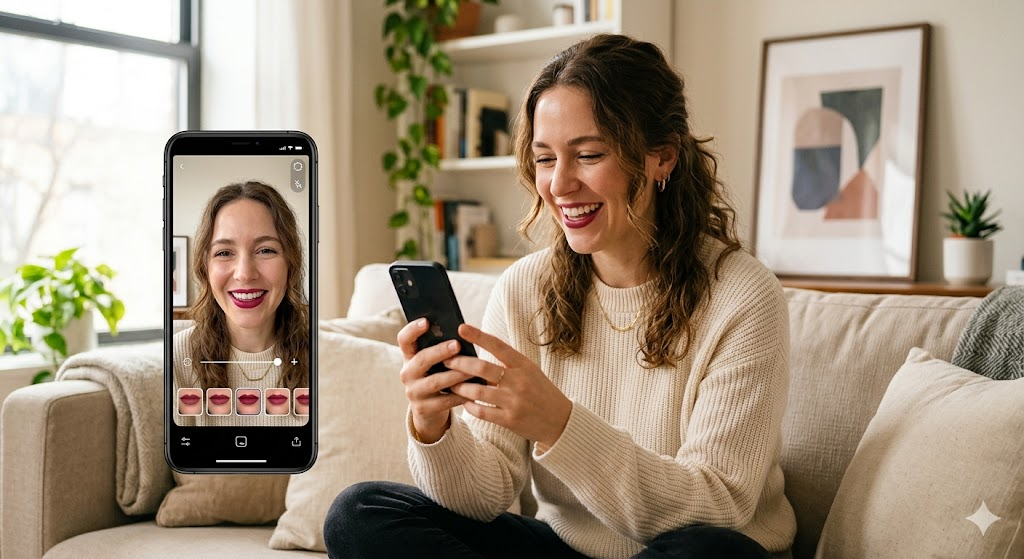
Sephora introduced its AI-powered tool, often referred to as “Virtual Artist,” to bridge the gap between imagination and reality. Using augmented reality and machine learning, the tool allows customers to try on products digitally in real time.
It works through a smartphone camera or uploaded image. The system maps facial features and overlays products with impressive accuracy. Lipstick shades, foundation tones, eyeliner styles—all rendered instantly.
But the real value isn’t just the technology. It’s what the technology removes: doubt.
Customers no longer have to guess. They can see.
And when people can see how a product looks on them, they’re far more likely to buy it.
Why This Approach Works So Well
There’s a psychological shift that happens when customers move from imagining to experiencing.
Here’s what Sephora tapped into:
1. Reduced Decision Friction
One of the biggest barriers in online shopping is hesitation. Too many choices and too little clarity slow people down.
Virtual try-on simplifies the decision-making process. Instead of debating between shades, users can test them instantly. The result is faster, more confident decisions.
2. Personalization at Scale
Traditional retail offers personalization through in-store consultations. Online stores struggled to replicate that.
Sephora’s AI changes that dynamic. Each user gets a tailored experience based on their face, skin tone, and preferences. It feels personal, even though it’s powered by automation.
This is a perfect example of AI for sales creating individualized journeys without increasing operational costs.
3. Emotional Engagement
Seeing yourself wearing a product creates a stronger emotional connection than looking at a model.
It’s subtle, but powerful.
Customers begin to imagine owning the product, using it, and incorporating it into their routine. That emotional connection often drives purchase decisions more than logic.
The Direct Impact on Sales Performance
Sephora’s investment in AI-driven try-on technology didn’t just improve the user experience. It delivered measurable business results.
While exact numbers vary across reports, the impact is clear across several key areas:
Higher Conversion Rates
Customers who use virtual try-on tools are significantly more likely to complete a purchase. The added confidence reduces hesitation at checkout.
Increased Average Order Value
When users experiment with multiple products, they often add more items to their cart. Trying one lipstick can lead to testing complementary shades or related products.
Lower Return Rates
One of the hidden costs in eCommerce is returns. By helping customers choose correctly the first time, Sephora reduces mismatches and dissatisfaction.
Longer Session Times
Users spend more time interacting with the platform. They explore, experiment, and engage. That increased engagement often correlates with higher sales.
In short, the tool doesn’t just assist customers. It actively drives revenue.
What Makes Sephora’s Strategy Stand Out
Plenty of brands experiment with AI. Not all of them see meaningful results.
Sephora’s success comes down to how thoughtfully it implemented the technology.
It Solves a Real Problem
The virtual try-on tool addresses a clear customer pain point. It’s not innovation for the sake of innovation. It’s purposeful.
It’s Easy to Use
There’s no steep learning curve. Users can access the feature quickly and start experimenting right away.
If AI tools feel complicated, people won’t use them. Sephora avoids that trap.
It Integrates Seamlessly
The try-on experience is built into the shopping journey. It doesn’t feel like a separate feature. It feels like a natural part of browsing.
That integration is key to making AI for sales effective rather than disruptive.
Lessons Businesses Can Take From This
Sephora’s approach offers valuable insights for companies across industries. You don’t have to sell makeup to learn from this strategy.
Focus on Customer Confidence
At its core, this strategy is about reducing uncertainty. Any business can benefit from helping customers feel more confident in their decisions.
Ask yourself:
- Where do customers hesitate?
- What information are they missing?
- How can you show instead of tell?
Use AI to Enhance, Not Replace
The goal isn’t to remove the human element. It’s to enhance it.
Sephora’s tool mimics the experience of trying products in-store. It brings a human-like interaction into a digital environment.
That’s a more effective use of AI for sales than simply automating tasks.
Make the Experience Interactive
Passive browsing is less effective than active engagement.
Interactive tools keep users involved. They turn shopping into an experience rather than a task.
That shift can significantly impact conversion rates.
Beyond Beauty: The Bigger Opportunity
What Sephora achieved isn’t limited to cosmetics.
The same principles can apply across multiple industries:
- Fashion retailers can offer virtual fitting rooms
- Furniture brands can use AR to show products in real spaces
- Eyewear companies can simulate frames on a customer’s face
- Automotive brands can visualize car customizations
The common thread is visualization.
When customers can see how a product fits into their lives, they’re more likely to commit.
This is where AI for sales continues to evolve. It’s moving from backend optimization to front-end experience transformation.
The Subtle Power of Data
Behind the scenes, Sephora’s AI system is doing more than rendering images.
It’s learning.
Every interaction provides data:
- Which shades users try most
- What combinations lead to purchases
- Where users drop off
That data feeds back into the system, improving recommendations and refining the experience.
Over time, this creates a feedback loop:
Better data → better experiences → higher conversions → more data
It’s a quiet advantage, but a powerful one.
Challenges to Keep in Mind
While the results are impressive, implementing similar solutions isn’t without challenges.
Technical Complexity
Developing accurate AI and AR tools requires investment in both technology and expertise.
User Trust
Customers need to trust that what they see is accurate. If the virtual try-on looks unrealistic, it can backfire.
Device Compatibility
Not all users have high-end devices. Ensuring accessibility across different platforms is essential.
Sephora managed these challenges by focusing on usability and continuous improvement.
What the Future Looks Like
The success of AI-powered try-on tools signals a broader shift in eCommerce.
We’re moving toward experiences that are:
- More visual
- More personalized
- More interactive
As technology improves, these experiences will become even more seamless.
Imagine:
- Real-time skin analysis with product recommendations
- AI stylists that curate entire looks
- Fully immersive shopping environments
The line between online and in-store shopping will continue to blur.
And businesses that embrace this shift early will have a clear advantage.
Final Thoughts
Sephora’s AI try-on strategy didn’t succeed because it used advanced technology. It succeeded because it solved a real problem in a meaningful way.
By helping customers see products themselves, the brand removed doubt from the buying process. That single shift had a ripple effect across conversions, engagement, and overall sales performance.
This is the real promise of AI for sales. It’s not about replacing people or automating everything. It’s about creating better experiences that naturally lead to better outcomes.
For businesses looking to grow in a competitive digital landscape, the takeaway is simple.
Don’t just sell products.
Help customers experience them before they buy.

