
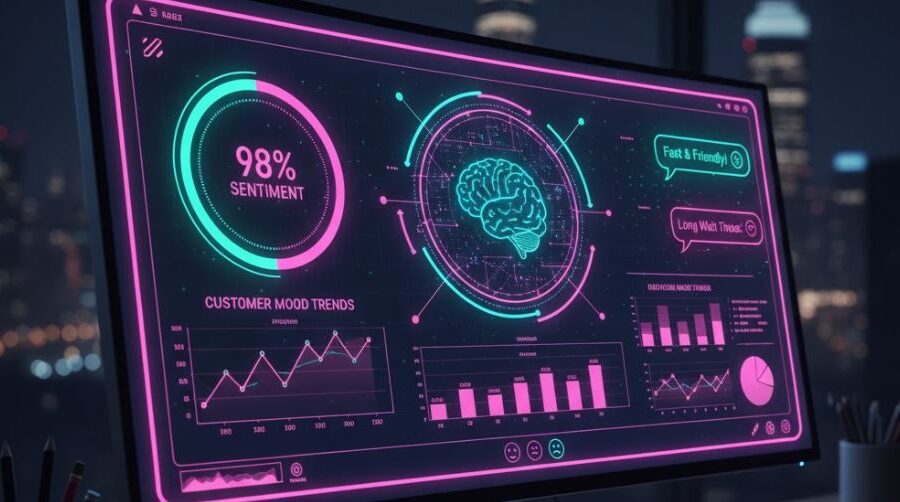
Emotions often decide whether a customer stays loyal or walks away. A single frustrating interaction can lead someone to abandon a brand, while a great experience can turn them into a lifelong advocate. But how can businesses truly understand how their customers feel—especially when feedback comes from thousands of different channels every day? That’s where AI-powered sentiment analysis comes in. It helps businesses listen at scale, decode emotions behind words, and respond in ways that feel personal and human.
Let’s explore how sentiment analysis works, why it’s becoming essential for modern service teams, and how it helps create better customer experiences.
What Is Sentiment Analysis?
Sentiment analysis is an AI-driven process that identifies emotions in text, speech, or online conversations. It goes beyond just reading words—it understands the intent and emotional tone behind them.
For example, a customer saying, “The delivery took forever, but support was great!” expresses both frustration and satisfaction. Sentiment analysis tools catch those nuances that humans might miss at scale.
These tools use natural language processing (NLP) and machine learning to detect emotional context. They can analyze social media comments, reviews, emails, or chatbot interactions to determine whether a message is positive, negative, or neutral.
In short, sentiment analysis helps companies understand what customers are really saying—and how they feel about it.
Why Emotions Matter in Customer Experience
Customer service isn’t just about solving problems; it’s about building emotional trust. People remember how you made them feel long after they forget what you said.
That’s why emotion tracking is powerful. Sentiment analysis gives companies insight into whether customers feel valued, ignored, or delighted. By analyzing emotional trends over time, businesses can spot patterns before they turn into bigger issues.
For instance, if customers frequently mention “confusing checkout” or “slow delivery,” AI tools flag those concerns early. Teams can then make proactive improvements—before negative experiences spread on social media.
How AI for Data Analysis Powers Sentiment Insights
The heart of modern sentiment analysis lies in AI for data analysis. Traditional analytics focus on numbers and charts—conversion rates, response times, satisfaction scores. But AI goes deeper by analyzing the emotional layer of those interactions.
AI models process massive amounts of customer data from multiple sources, like chat transcripts, reviews, and call recordings. They identify patterns in tone, word choice, and phrasing that reflect customer emotions.
This analysis helps teams:
- Recognize frustrated or unhappy customers in real time
- Prioritize urgent cases that need human attention
- Personalize responses based on emotional context
- Track overall brand sentiment and customer satisfaction trends
With these insights, customer service teams can make data-driven decisions that improve empathy and efficiency at the same time.
Real-World Brands Using Sentiment Analysis
Many leading brands are already proving how powerful this technology can be.
1. Delta Air Lines uses sentiment analysis to monitor customer feedback across social media. When travelers express frustration about delays or lost luggage, Delta’s support team can respond faster and with more empathy.
2. Starbucks analyzes feedback from its mobile app and social media channels to understand customer preferences. By spotting positive and negative trends early, it can adjust products or promotions accordingly.
3. Zappos, known for its legendary customer service, uses AI tools to help its support team detect customer moods during live chats. If sentiment turns negative, the system alerts managers so they can step in before the issue escalates.
These companies show how sentiment analysis helps bridge the gap between automation and human empathy—turning insights into action.
Benefits of Sentiment Analysis for Customer Experience
When done right, sentiment analysis creates a ripple effect across the entire customer journey.
1. Real-Time Feedback Monitoring
Businesses don’t have to wait for survey results or quarterly reports to understand how customers feel. AI tracks emotions continuously, so companies can react faster to changing sentiments.
2. Personalized Responses
Sentiment data helps agents tailor their replies to match a customer’s mood. A frustrated customer gets empathy and reassurance, while a happy one receives appreciation and loyalty offers.
3. Improved Customer Retention
When customers feel heard and understood, they’re more likely to stay. By addressing emotional pain points, businesses strengthen long-term relationships.
4. Stronger Brand Reputation
Positive experiences get shared widely. By identifying and fixing issues quickly, companies build trust and earn better online reviews.
5. More Empowered Service Teams
Agents gain valuable context before responding. Instead of guessing what a customer needs, they have emotional insights guiding their tone and approach.
Using Sentiment Analysis Across Channels
Sentiment analysis doesn’t just belong in customer service chats—it enhances every point of customer interaction.
- Social Media: Detect trending topics or complaints before they damage your reputation.
- Email Support: Identify urgent or emotionally charged messages for faster resolution.
- Call Centers: Analyze tone and language from call transcripts to measure satisfaction levels.
- Product Feedback: Spot patterns in reviews that reveal what customers love—or what needs improvement.
This holistic approach helps companies see the full emotional journey of their customers across all touchpoints.
Overcoming Common Challenges
While sentiment analysis is powerful, it’s not perfect. Here are a few common challenges—and how to handle them.
1. Sarcasm and Context
AI sometimes misinterprets sarcastic comments, like “Great, another update that broke my app.” Continuous model training and human review help refine accuracy.
2. Cultural and Language Differences
Different languages and regions express emotion differently. Businesses should use localized sentiment models to ensure better interpretation.
3. Privacy Concerns
Customer data must always be handled responsibly. Following ethical data practices ensures transparency and builds trust.
4. Overreliance on Automation
AI should assist humans, not replace them. The most successful teams blend machine intelligence with human empathy.
How to Start with Sentiment Analysis
If your business wants to use sentiment analysis, start small and scale up.
- Choose the Right Tools – Platforms like MonkeyLearn, Lexalytics, or IBM Watson offer user-friendly sentiment solutions for different business sizes.
- Gather Data – Pull text from emails, surveys, chats, and social media for analysis.
- Train Your Model – Customize your AI tool with examples from your actual customer base to increase accuracy.
- Integrate Insights – Feed sentiment data into your CRM or helpdesk tools so agents can see it in real time.
- Review and Adjust – Continue improving your model as language and customer preferences evolve.
This step-by-step approach helps businesses understand emotions at scale without losing the personal touch.
The Future of Emotion-Aware Businesses
As AI evolves, sentiment analysis will become even more intuitive. We’ll see tools that not only recognize emotions but also predict them—helping companies anticipate needs before customers voice them.
In the future, AI systems could adapt tone automatically, crafting messages that match a customer’s emotional state. This technology won’t replace empathy—it’ll make empathy easier to deliver at scale.
Final Thoughts
In a digital world filled with data, emotions remain the most powerful metric of all. Sentiment analysis helps businesses truly listen to their customers, not just measure them.
By combining human intuition with intelligent automation, companies can create experiences that feel personal, genuine, and responsive.
If you’re ready to better understand your customers and turn emotions into insights, explore how Cyber Elite’s AI solutions can help you apply sentiment analysis to your strategy.
Because the best service experiences don’t just answer questions—they understand feelings.

